
.ولد الشاعر الشهيد فائق محمد العياضي في الخامس من مايو عام 1948 بمدينة الكويت كان والدهُ موظفاً في وزارة الشؤون الاجتماع يعتبر فائق عبد الجليل صاحب مدرسة تجددية في الشعر الحداثي الشعبي فهو شاعر مثقف مجدد يكتب بتلقائية طبيعية وبلغة تشبه لغة الماء وتمتاز قصائده بالثورة الرومانسية وقد أعطت كلماته ملامح جمالية مختلفة ومميزة للقصيدة والأغنية في منطقة الخليج العربي وأحدثت نقلة جديدة. ترجمت بعض قصائدة إلى اللغة الفرنسية ودرّست في بعض الجامعات ونشرت لهُ عدة قصائد في صحيفة لوموند الفرنسية في السبعينيات من القرن العشرين، وقد كتب عنهُ في نفس تلك الصحيفة الفرنسية البروفيسور (سيمون جارجي) مستشرق وأستاذ في كلية الآداب في جامعة جنيف بعد أن زار الكويت في الستينيات حيث قال "التصميم على عدم الأنسلاخ من الأرض القديمة التي تتلوى في عروقها جذور حنين الشعراء وعواطفهم ، هو أشد بروزا لدى أصغر شعراء الكويت فائق عبد الجليل وأكثر ما يتمثل صدقهُ .في تعابيرهِ التي هي مزيج من العامية والفصحى". كتب أيضا شعر الأطفال في فترة السبعينيات ونشرت تلك القصائد في (مجلة سعد) وهي مجلة كويتية خاصة بالأطفال وكان مهتما بمسرح الطفل ولهُ عدة أسهامات فيه ، كما كان هو مؤسس مسرح العرائس في الكويت فكانت أول تجربة على الإطلاق في الكويت هي مسرحية (أبو زيد بطل الرويد) ، وهي مسرحية من تأليفهِ وإخراج (أحمد خلوصي) عُرِضَت على مسرح الشامية في العشرين من أغسطس عام 1974 ، وهو عضو جمعية الفنانيين الكويتيين منذ عام 1966 ، وعضو أيضاً في المسرح الكويتي 1967 و الذي شغل فيه منصب نائب رئيس مجلس الإدارة للفترة 1977-1978حيث أصبح فيما بعد رئيس مجلس الإدارة حتى نهايه عام 1983 . كتب مقالات متعددة في الصحافة الكويتية في الستينات و السبعينات و الثمانينات من القرن العشرين منها عمود أسبوعي بعنوان ((سحابه صيف )) و كتب أيضاً عدة أوبريتات غنائية وطنية واجتماعية أشهرها أوبريت بساط الفقر 1980، وكان من بطولة الفنان عبد الحسين عبد الرضا ، أنشد قصائده كبار المطربين من مختلف الدول العربية ومنهم محمد عبده فكانت أشهر أغنياتهِ (أبعاد) التي تُرجمت لعدة لغات ، وغناها عدة مطربون عرب وأجانب وقد تغنى أيضاً بقصائد فائق عبد الجليل عدة مطربين منهم طلال مداح وأبو بكر سالم و عبدالكريم عبدالقادر وعبادي الجوهر وغيرهم و مثّل الكويت في عدة محافل عربية و دولية من خلال امسيات و ندوات و مهرجانات ثقافية و أدبية و فنية .
.jpg)
.jpg)
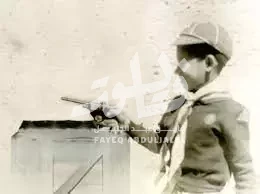
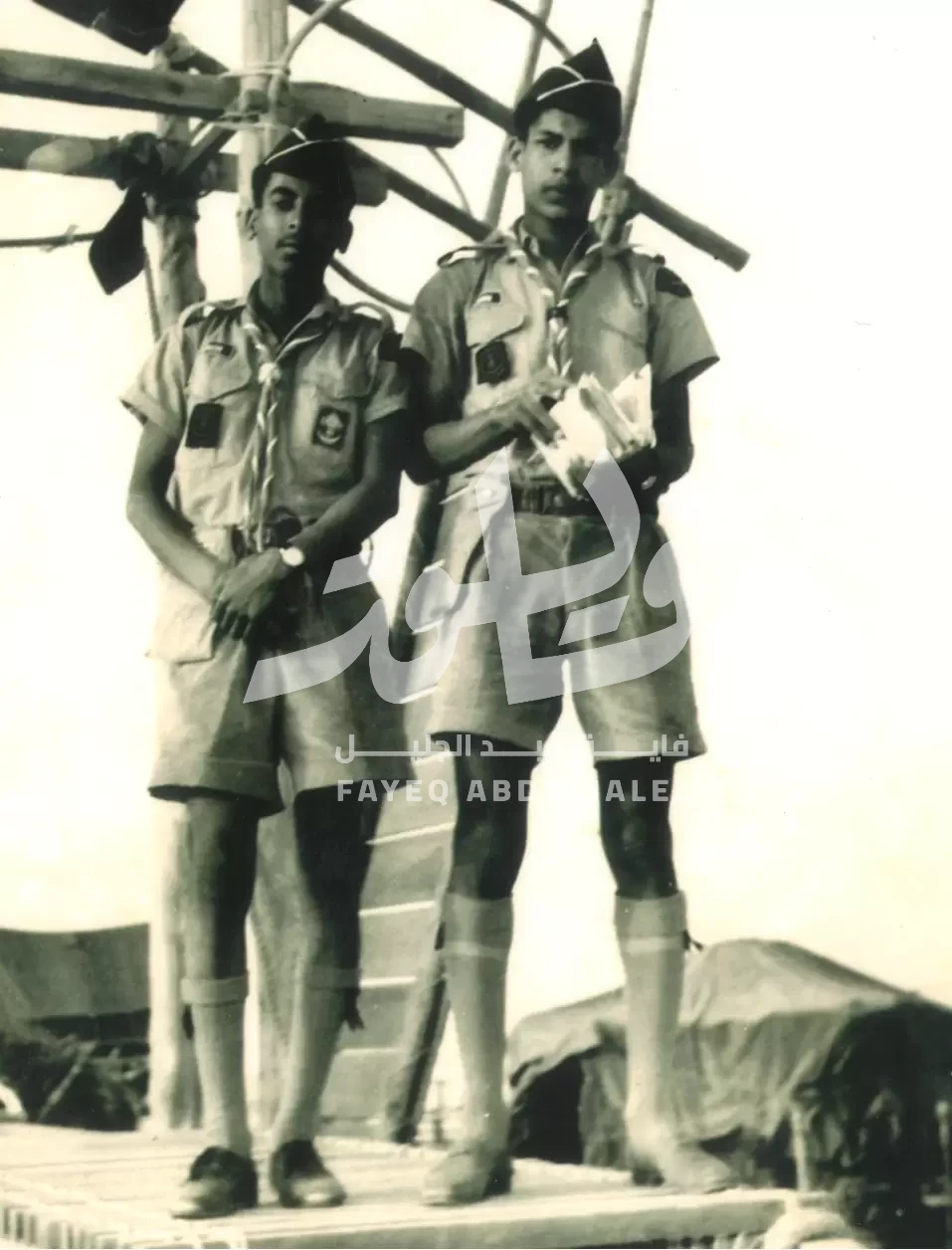
ولد فائق محمد علي العياضي في مدينة الكويت في الخامس من مايو، العام ثمانية و أربعين عاش فائق بدايات حياته مع والدته ربة المنزل، ووالده الموظف في وزارة الشؤون الاجتماعية.. ت ثر فائق بشخصية خاله الهي شجعه على المهالعة واالهتمام بالثقافة واادت.. اختار فائق سماَ مركبا في مسيرته اادبية والشعرية والفنية.. اشتق نصفه من اسم خاله، وبات اسم فائق عبد الجليل يرافق الشاعر المرهف حتى اليوم الاخير في حياته . عاش فائق عبد الجليل طفولته وسه انفتا الكويت على محيهها العربي.. كان يقر الكتب والمجلات والصحف، ويههت مع رفااه إلى دور السينما لمشاهدة الروائع العربية والعالمية.. في وات فراغه كان يرسم اللوحات ويكتت ااشعار، حتى بد ت شخصيته تتشكل ابل ن يبلغ سن العشرين. هتم فائق في بداياته بقراءة تجارت لشعراء معاصرين من مثال فدوى هواان ، نسي الحاج ، نازك المالئكة ، عبد البردوني بدأ فائق عبد الجليل حياته العملية موظفاً في بلدية الكويت وهو العمل الذي استمر فيه حتى أغسطس من العام تسعين في العام تسعة و ستين شهر يوليو تزوج فائق من شريكة حياته ام فارس، ليبدئ مرحلة جديدة في الحياة .
.webp)
.jpg)
.webp)
.webp)
كان فائق عبدالجليل نشطاً في الكثير من المجالات الإعلامية و الفنية و الأدبية.. لفت هذا الشاب الأنظار في بداياته، وبات اسمه يتردد بين المثقفين والادباء والفنانين من الخليج إلى المحيط.. كتب فائق عبد الجليل مقالات نقدية واجتماعية وفنية في العديد من المطبوعات، ومنها مجلة أضواء الكويت، مجلة عالم الفن، صحيفة الرأي العام يعتبر فائق عبدالجليل أحد المساهمين النشطين في الحركة المسرحية في الكويت، وهو الذي كان يؤمن أن المسرح جزء من الحركة الأدبية والثقافية لا يمكن تجاهل دوره في بناء الانسان فكرياً. ً في العام سبعة وستين ميلادي أصبح فائق عضوا في جمعية الفنانين الكويتيين و عضواً أيضاً في كجلس إدارة المسح الكويتي، و بعدها نال منصب نائب الرئيس، قبل أن يصبح رئيساً لمجلس إدارة المسرح الكويتي في العام ثلاثة و ثمانين . كان لهذا الرجل فضل على الحركة المسرحية في بلاده، و كتابة الكثير من النصوص المسرحية الغنائية .
.webp)
.webp)
.jpg)
.webp)
في العام سبعة و ستين أصدر فائق عبدالجليل ديوانا بعنوان " وسمية و سنبل الطفولة".. كان هذا الديوان بمثابة بطاقة تعريف فاخرة قدمها هذا الشاعر إلى المجتمع الكويتي .. كتب فائق هذا الديوان الشعري الذي يؤرخ الكويت القديمة، من خلال قصائد لا تخلو من بصمة التجديد. تعدت شهرة هذا الديوان العالم العربي إلى البروفيسور الفرنسي سيمون جارجي الذي كتب مقالة نقدية في صحيفة لوموند الفرنسية في عام تسعة و ستين ، يبدي إعجابه بأسلوب شعر فائق عبد الجليل . قامت لا حقاً دور نشر و صحف أوروبية بترجمة بعض أعمال فائق و قصائده و تم تدريسها في كلية الآداب جامعة جنيف . و توقف الشاعر بعد ديوان وسمية و سنابل الطفولة عن إصدار أي ديوان شعري و صامتاً عن قصائد الشعر من أثى عشر عاماً. كان فائق حاضرا في سماء الأغنية و المسرح و الأعمال التلفزيونية من خلال كلماته و في عام تسعة و سبعين جاء ديوان سالفة صمتي ليفسر ذلك الصمت الطويل و حاول من خلال الديوان تقريب العامية للفصى . كان فائق عبدالجليل مهموماً بحال الأمة العربية، ويتناول انتكاساتها من خلال مقالاته و مسرحياته الغنائية و قصائده. و كان يرى أن العرب ينتمون إلى وطن واحد و مصير مشترك.
.jpg)
.jpg)
.jpg)
.webp)
و في العام أربعة وثمانين اصدر فائق عبد الجليل ديوانا بعنوان معجم الجراح ( ويضم قصائد كتبها باللغة العربية الفصحى تصف حال العالم العربي، ومعاناة سكانه السياسية والاقتصادية والاجتماعية. برهن فائق من خلال (معجم الجراح) انه يفكر خارج الاطار، عندما تناول القضايا العربية بأشعار تجود بما لم يجدي به الساسة حينها كان مفكرا يضع يده على الجرح ، ويقدم له العالج. اصبح انتاج فائق ً عبدالجليل شاهدا على الحقبة الزاهية التي كانت تعيشها الكويت حينها .. في ذات العام اصدر ديوان حب العصافير الي اكد من خلال قدرته على ترويض اللغة و اثراء العباره بشاعرية فريده المضمون.. أختصر الراحل بيت القارئ و المضمون بالكلمات من خلال انتقاء الكلمات بدأت شهرة فائق عبد الجليل في مجال القصيدة المغناة عام ربعة و ستين ، حين تغنى غريد الشاطئ بقصيدة كتبها الراحل عن شهر رمضان وبثتها إذاعة الكويت قبل ان تغني من كلماته عايشة المرطة غنية (يا ساري) في عام اثنين و سبعين كتب فائق اغنية (مع ريح الهوى مسافر) التي تغنى بها عبدالمحسن المهنا . ثم غنية (غالي) للفنان فيصل عبدالله و اغينة يام م لي سافر سل عالكويت( للفنانة ليلى عبد العزيز وخالل السبعينات، كتت فائق عبد الجليل غينة "ابعاد" التي لحنها الملحن الكويتي يوسف المهنا وغناها المهرت السعودي محمد عبده.. كان سماع ههه ااغنية في ي مكان يوحي للمستمع ب جواء الخليج عموما دون تمييز.. كانت بمثابة نشيد موحد لشعوت الدول الخليجية.. حي تم ترجمتها لعدة لغات جنبية واام بغنائها كثير من المهربين في العالم.
